
Kelltech Systems Field Notes
Security & Technology Resources
Practical guidance for safer, smarter, better-connected properties.
-

Before a Fire Alarm Service Visit: The Information Your Team Should Have Ready
Prepare records, access, contacts, and building-change information so a fire alarm service visit can address the right issues efficiently.
-

Surge Protection, Battery Backup, and Remote Restart Solve Different Problems
Understand what surge protection, battery backup, and managed power can contribute to a more dependable home technology system.
-

Your Cameras Look Good at Noon. What Happens After Closing?
Evaluate security cameras after dark with realistic movement, headlights, and lighting changes before accepting the installation.
-

Motorized Shades: Choose Privacy and Glare Control Before Fabric Color
Compare shade fabrics in the room itself to balance daylight, views, nighttime privacy, screen glare, and practical everyday control.
-

Employee Leaves, Access Remains? Build a Better Offboarding Checklist
Make employee departures easier to manage with a clear checklist for badges, mobile credentials, shared codes, and building access.
-

When a Control4 Upgrade Is Worth It: Start With the Owner’s Experience
Decide when a Control4 upgrade adds real value through simpler control, dependable performance, useful features, and a clear support plan.
-
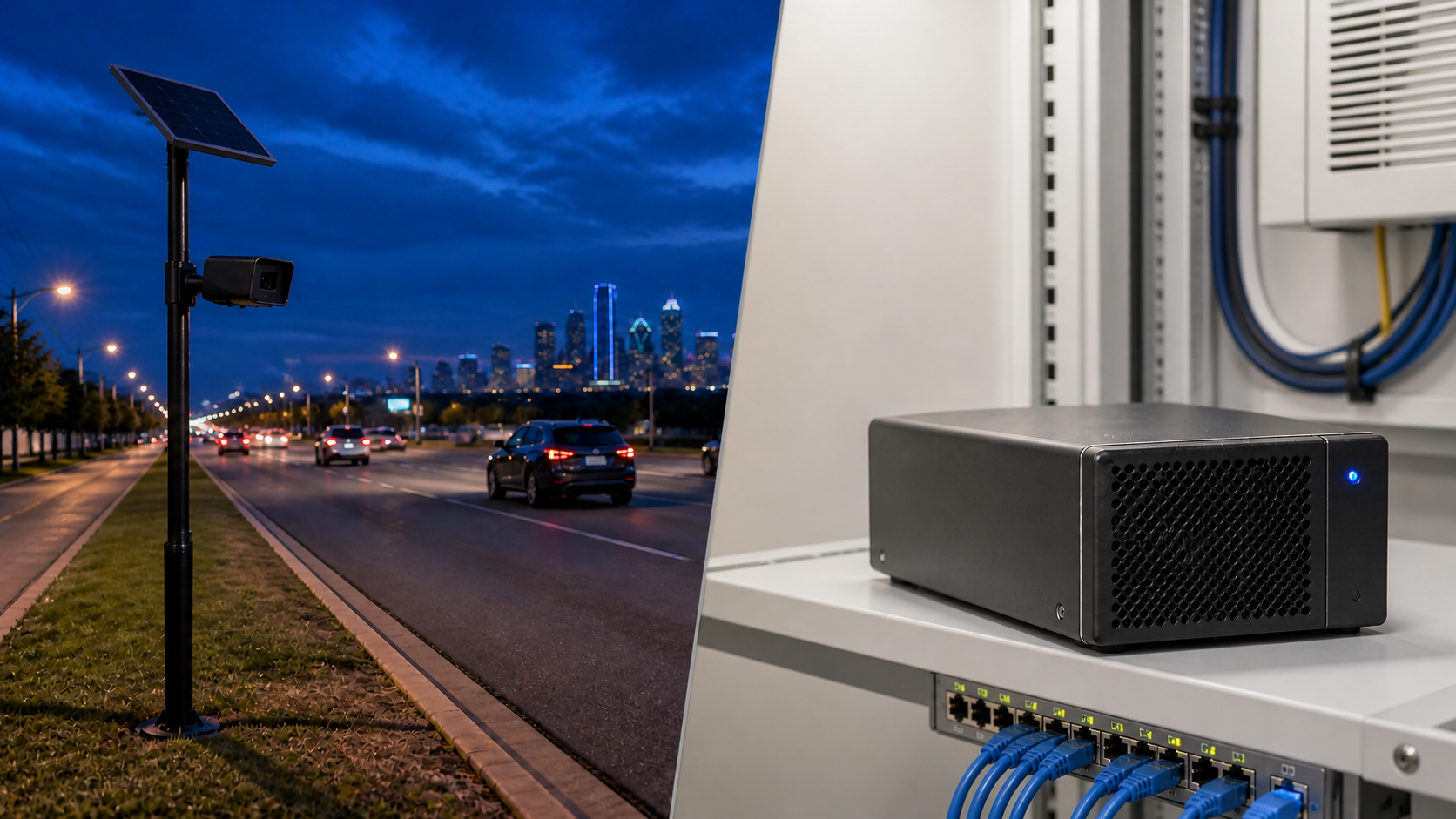
Looking for a Flock Camera Alternative? Choose Privacy-First Local AI
Searching for a Flock camera alternative? Compare privacy, local video storage and on-site AI options from Kelltech Systems in Dallas–Fort Worth.
-

When to Upgrade Aging Cameras and Recorders
Image quality, cybersecurity, storage reliability, support status, and operational needs can signal that a video system is due for replacement.
-

Commercial AV for Meeting Rooms People Can Actually Use
Reliable meeting rooms need coordinated displays, microphones, conferencing, control, networking and responsive local support.
-

Remote Video Monitoring and Active Deterrence
Analytics, live operator review, audio warnings, and escalation procedures can help address activity before loss occurs.